Labels

Monday, 30 September 2013

Research: Sound

Sound
Sound: Sounds are used in films to create understanding for the audience and to create more meaning about the characters and their emotions.
Diegetic sound: Sound whose source is visible on the screen or whose source is implied to be present by the action of the film. This includes:


  • voices of characters
  • sounds made by objects in the story
  • music represented as coming from instruments in the story space (=source music)

Non-Diegetic sound:
Sound whose source is neither visible on the screen nor has been implied to be present in the action. This includes: 

  • narrator's commentary
  • sound effects which is added for the dramatic effect
  • mood music

Contrapuntal: Contrapuntal sound is where the sounds or music used contrast with the film or movie clip it has been inserted into. Its sound that does not fit in with the events happening
Parallel: When the sound you hear in a film is expected e.g. a scene with children playing on a beach the parallel sounds would include laughter, talking and the sea.
On-screen: You can see where the sound is coming from e.g. a radio inside a car.
Off-screen: You can hear sound but cant see where its coming but it makes sense to the film world. E.g. Traffic and coughing.
Thriller scene analyses:
conclude:  


Saturday, 14 September 2013

Research: Cinematography


What is cinematography?


Cinematography is the art or technique of movie photography, including both the shooting and development of the film.


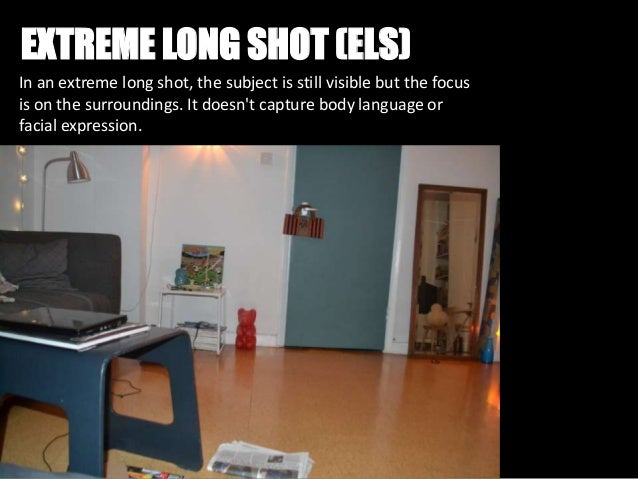
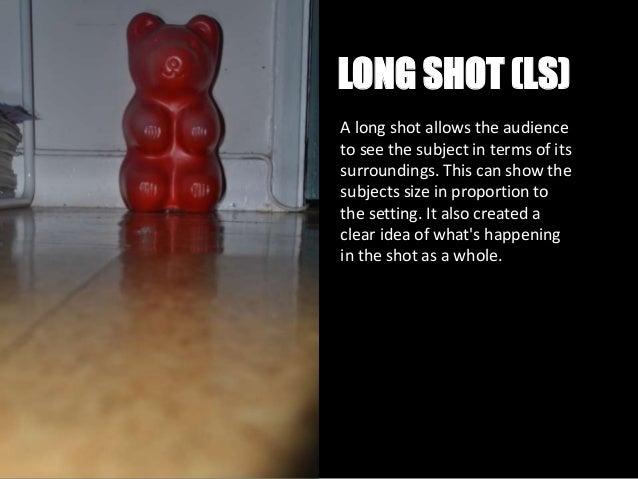
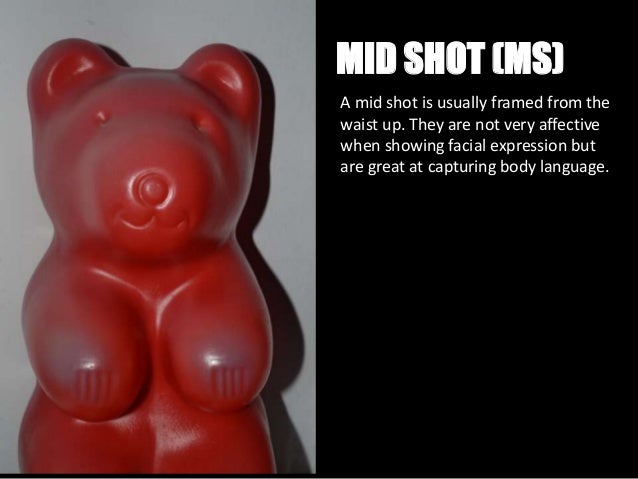
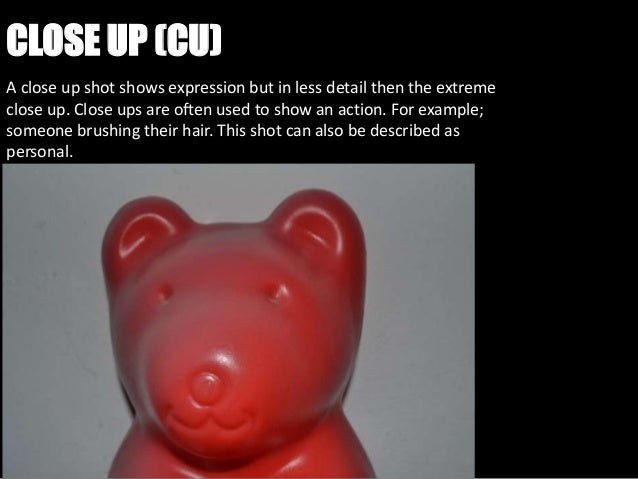
Camera Shots: A camera shot is the amount of space that is seen in one shot or frame. Camera shots are utilized to illustrate the various aspects of a film's setting, characters and themes. As a result, camera shots are vital in shaping the meaning in a film.

  • An extreme long shot contains a significant amount of landscape. It is often used at the beginning of a scene or a film to establish general location. This is also known as an establishing shot.


  •  A long shot contains landscape but gives the viewer a more specific idea of its setting. In a film, a long shot will be likely to show the viewers the building where the action will take place.


  • A mid shot presents the characters or a character from the waist up. By using this shot, viewers can see the characters' faces more clearly as well as their interaction with other characters.


  • A close-up contains just one character's face. This enables viewers to understand the actor's emotions and also allows them to feel empathy for the character. 


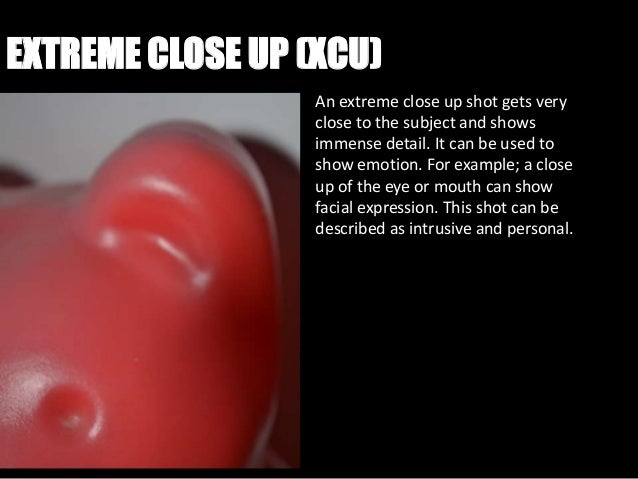
An extreme close-up contains one part of a character's face or other object. This technique is very common in horror films. This type of shot builds an intense mood and provides interaction between the audience and the viewer.


Camera Angles: Camera angles are used to position the viewer so that they can understand the relationships between the characters. These are very important for shaping the meaning within a film as well as in other visual texts.

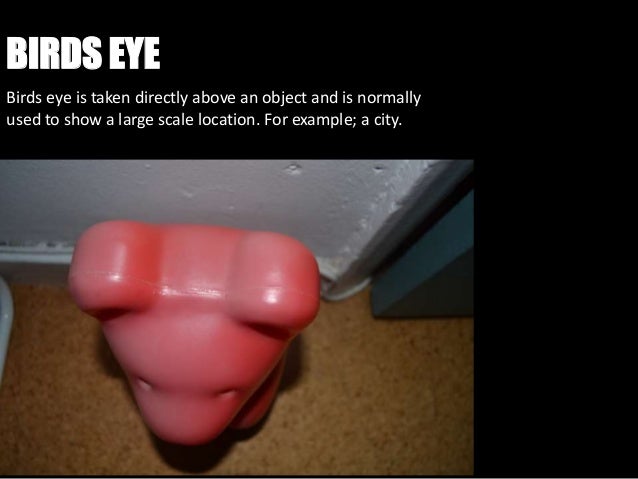
  • A bird's eye angle is an angle that looks directly down upon a scene. This angle is often used as an establishing angle, along with an extreme long shot, to establish the setting in a film.


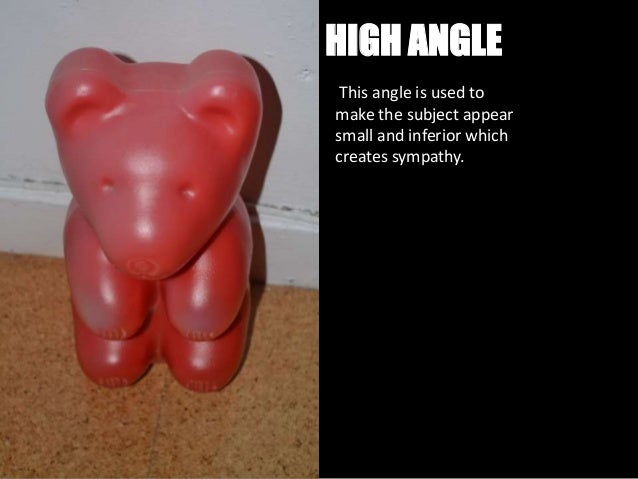
  • A high angle is a camera angle which looks down upon a subject. A character shot with a high angle will look vulnerable or small. These angles are typically used to depict to the audience a perspective of a particular character. 


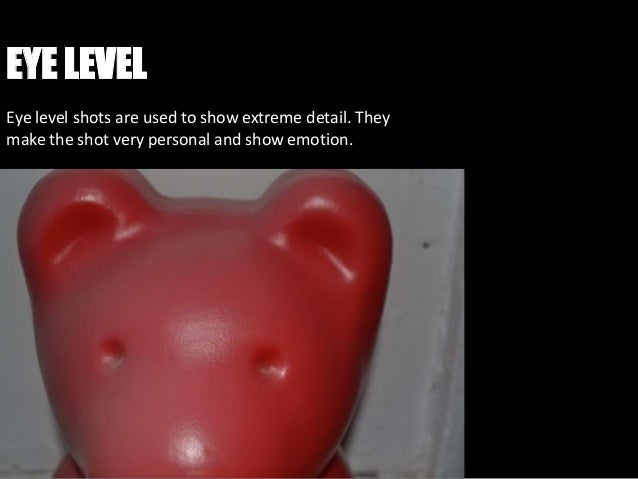
  • An eye-level angle puts the audience on an equal footing with the character/s. This is the most commonly used angle in most films as it makes sure that the viewers feel comfortable with the characters.


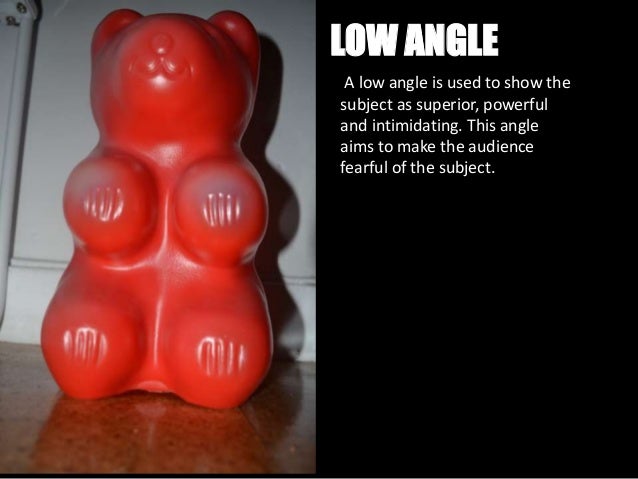
  • A low angle is a camera angle that looks up at a character. This is the opposite of a high angle and makes a character appear to be powerful. This can make the audience feel vulnerable and small by looking up at the character. This can also help the viewer feel empathy if they are viewing the frame from another character's point of view.


Camera Movement: Composers of films use camera movement to shape meaning in a film.

  • A crane shot  is often used by composers of films to signify the end of a film or scene. The effect is achieved by the camera being put on a crane that can move upwards.

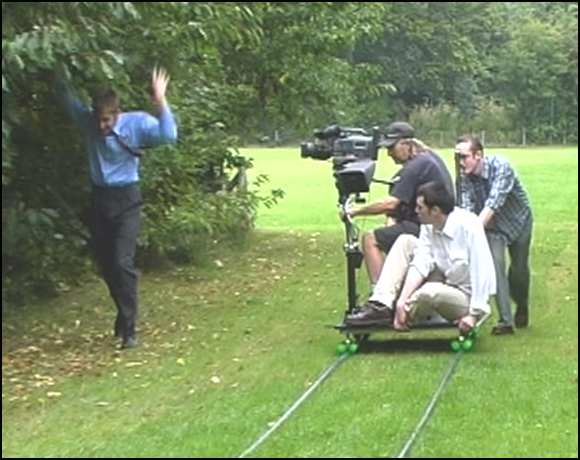
  • A tracking shot moves on tracks This camera movement is used in a number of ways but is most commonly used to explore a room such as a restaurant. By using a tracking shot the composer of a film gives the viewer a detailed tour of a particular situation. A tracking shot can also be used to follow a character. 


  • Panning is used to give the viewer a panoramic view of a set or setting. This can be used to establish a scene.


Conclusion: In conclusion, I have learned the combinations of various camera features and how with a variety of movements you can get the very best out of a shot

When working on my own thriller I will be using close ups, mid shots and low angle shots to help make my thriller trailer as dark and mysterious as possible whilst also using lighting to create effect.